
From Myth to Modern Design
For years, the idea of keeping plants in the bedroom was met with hesitation. Myths circulated about plants ‘stealing’ oxygen at night, making bedrooms unsafe for sleeping. However, with advances in our understanding of plant biology and air quality, this outdated notion has shifted dramatically. Today, plants in bedrooms are embraced not only for their aesthetic appeal but also for their air-purifying qualities and positive effects on mental health. In this post, we explore how this transformation happened and introduce you to some of the best plants you can add to your bedroom for a healthier, happier space.
Debunking the Myths: Why Plants in Bedrooms Were Once Feared
Misconception: Nighttime Respiration and the ‘Oxygen Thief’ Theory
The primary reason behind the old belief that plants were harmful in bedrooms was a misunderstanding of plant respiration. During the day, plants photosynthesise, absorbing carbon dioxide (CO2) and releasing oxygen (O2) as a by-product. However, at night, photosynthesis halts, and plants switch to respiration, releasing a small amount of CO2 and taking in oxygen. This minor oxygen consumption raised concerns that plants might compete with humans for air, leading to poor-quality sleep and ill health due to oxygen starvation.
Research has since shown that the oxygen consumption by plants during respiration is minuscule compared to human respiration. It’s nowhere near enough to cause any harm or disrupt the air quality in your room.
Lack of Awareness About Health Benefits
Another reason people were once wary of plants in bedrooms is that the health benefits of indoor plants were not as widely recognised. Decades ago, the focus was more on preventing what was assumed to be harmful rather than exploring the potential benefits.
Superstitions and Cultural Beliefs
In some cultures, superstitions added fuel to the fire, associating plants with bad luck or ill health. For instance, it was believed in certain traditions that plants absorbed not only oxygen but also vitality, making them inappropriate for personal spaces like bedrooms. As with many old superstitions, science has since debunked these notions.
The Shift: Why Plants are Now Bedroom Staples
Better Understanding of Plant Respiration
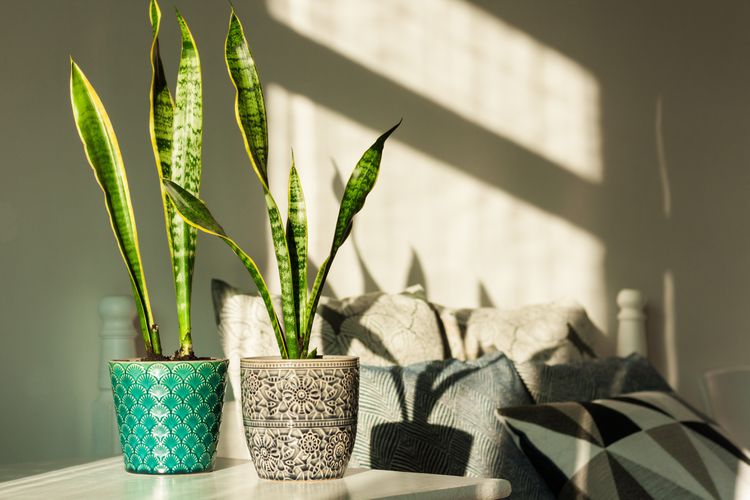
Thanks to modern science, we now know that the amount of CO2 plants release at night is negligible and doesn’t affect human health. Moreover, certain plants like the snake plant (Sansevieria) and gerbera daisy (Gerbera jamesonii) even release oxygen at night, which helps to improve air quality while you sleep.
The Air-Purifying Superstars
As we spend more time indoors than ever before, indoor air pollution is a growing concern. From formaldehyde in furniture to benzene in cleaning products, our homes can host a range of invisible toxins. The good news is that plants act as natural air filters, and certain species can help to remove harmful pollutants from the air, improving indoor air quality and creating a healthier environment.
For example: Snake Plants (Sansevieria) are known for their ability to remove toxins like formaldehyde, benzene, and xylene. Aloe Vera is not only beneficial for its healing properties, but is also know to filter benzene and formaldehyde, common in household products. And the Peace Lily (Spathiphyllum) helps purify the air by removing mould spores, formaldehyde, benzene, and carbon monoxide.
Biophilic Design: Reconnecting with Nature
The trend toward biophilic design – a concept that integrates natural elements into our built environments – has also driven the popularity of plants in bedrooms. This approach promotes the idea that humans have an inherent need to connect with nature, and by bringing plants into your bedroom, you can enjoy the benefits of this natural connection, which include improved mental well-being, reduced stress, and a calming atmosphere.

Best Bedroom Plants for Air Quality and Well-Being
Not all plants are created equal when it comes to improving your bedroom’s air quality and ambiance. Let’s dive into some of the top plants that not only survive but thrive in bedroom conditions, enhancing your space in both form and function.
1. Snake Plant (Sansevieria)
- Air-purifying: Removes toxins like formaldehyde, benzene, and xylene.
- Night-time oxygen production: Unlike most plants, the snake plant releases oxygen at night, helping to freshen up the air as you sleep.
- Low-maintenance: Tolerates low light and infrequent watering, perfect for people who want to enjoy plants without too much upkeep.
The snake plant is often referred to as a ‘set it and forget it’ plant, making it ideal for busy or novice plant owners.
2. Aloe Vera
- Air-purifying: Filters out benzene and formaldehyde.
- Healing properties: In addition to its air-purifying benefits, aloe vera gel can be used to treat burns and skin irritations.
- Easy care: Requires minimal water and sunlight, making it a low-maintenance addition to your bedroom.
Aloe vera is not just a practical plant for healing purposes but also a resilient one, thriving even when you forget to water it occasionally.
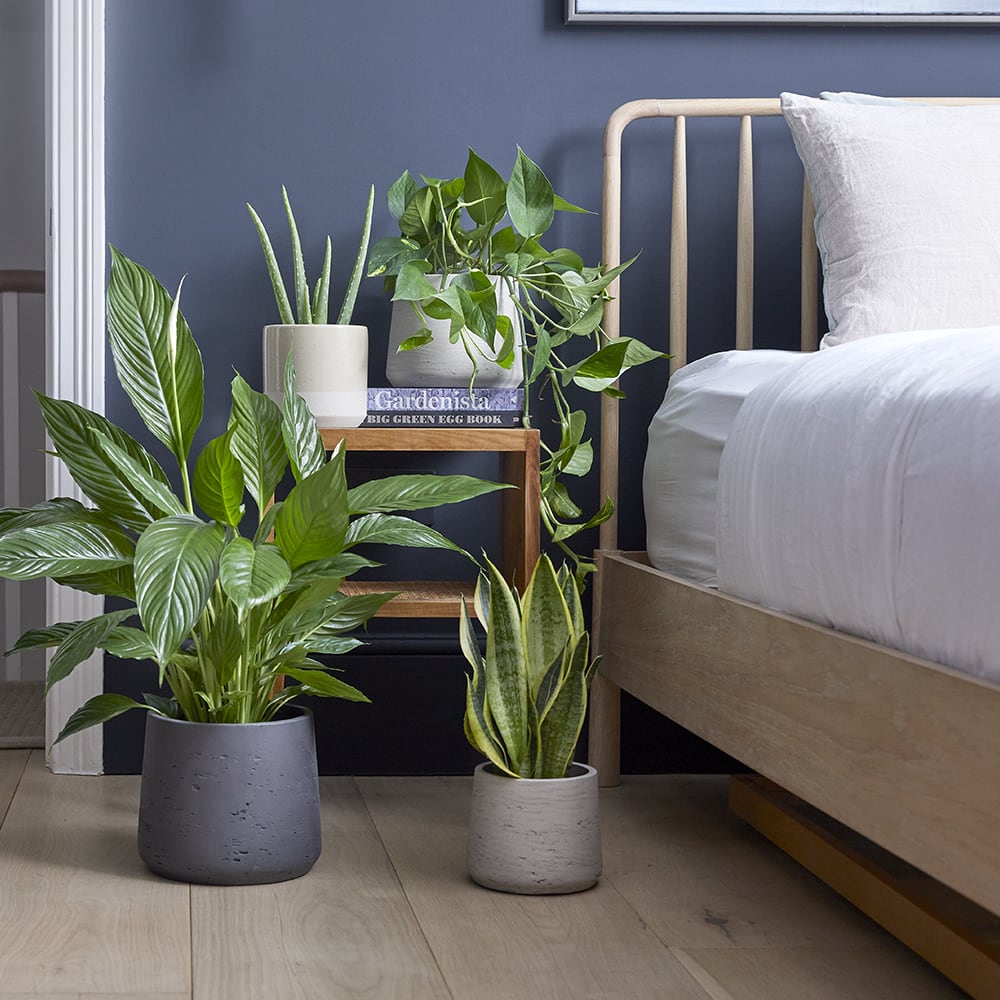
3. Peace Lily (Spathiphyllum)
- Air-purifying: Removes mold spores, formaldehyde, benzene, and carbon monoxide from the air.
- Humidifying: Increases humidity, which can help prevent respiratory irritations and skin dryness.
- Low-light tolerance: Thrives in low-light conditions, making it perfect for bedrooms with minimal sunlight.
The peace lily is not only an air-cleaning powerhouse but also adds a touch of elegance with its beautiful white blooms.
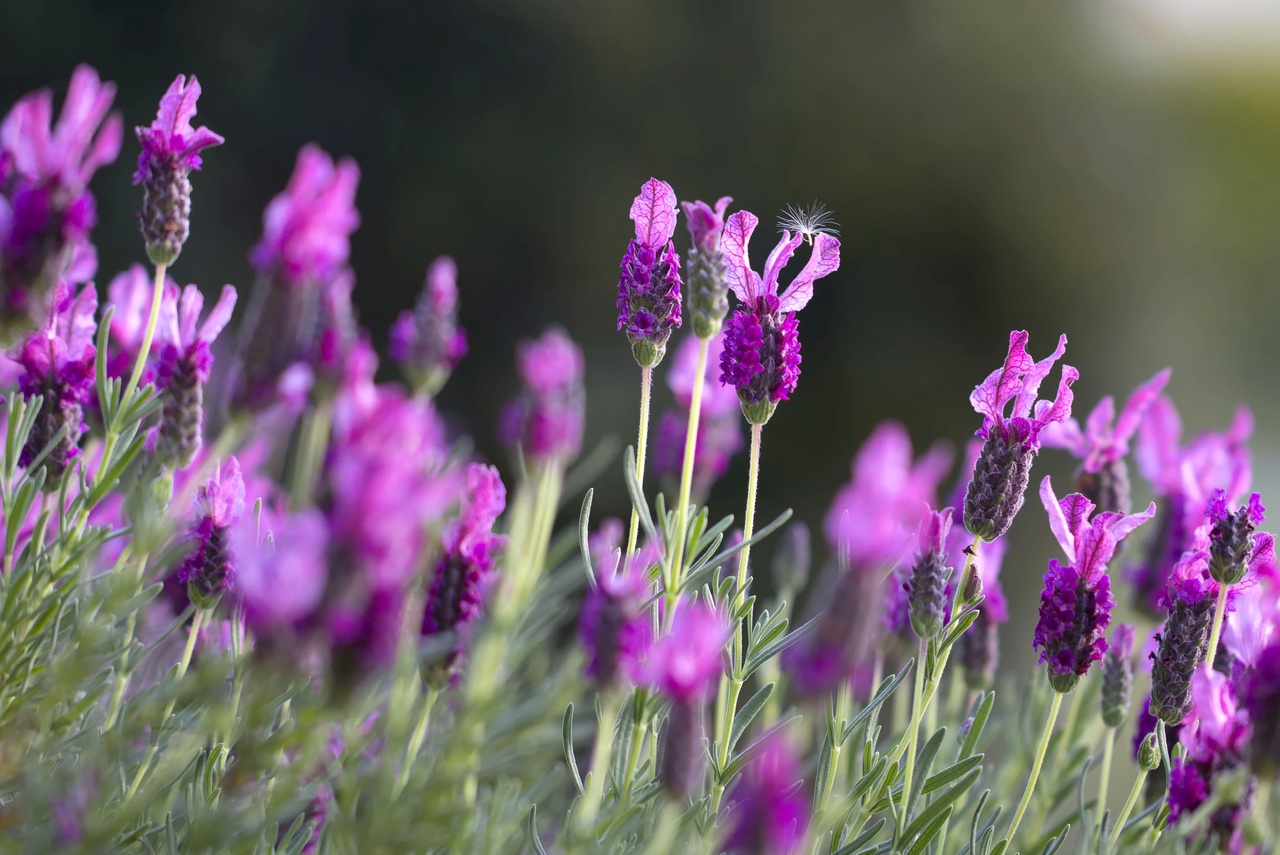
4. Lavender
- Relaxing scent: Lavender’s natural fragrance is well-known for its calming effects, which can help reduce anxiety and promote better sleep.
- Aromatherapy: The plant’s soothing properties make it a natural sleep aid.
- Moderate light: Lavender needs more sunlight than other indoor plants, so it’s best placed near a window that receives direct light.
Lavender isn’t just a pretty plant; its scent can transform your bedroom into a restful sanctuary, ideal for winding down at the end of a long day.
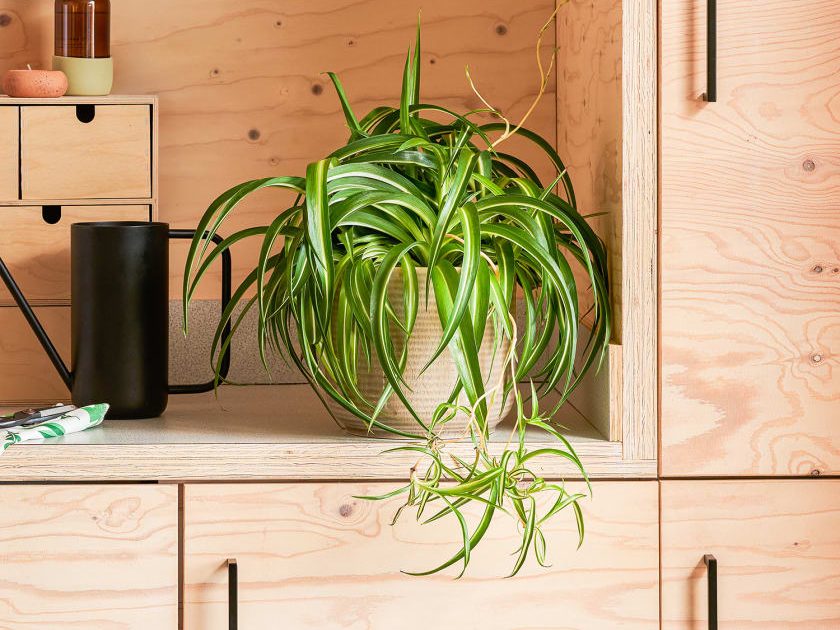
5. Spider Plant (Chlorophytum comosum)
- Air-purifying: Removes toxins like formaldehyde and carbon monoxide from the air.
- Child and pet-friendly: Non-toxic, making it a safe option for homes with pets or children.
- Low-maintenance: Thrives in indirect light and requires only occasional watering.
The spider plant is a reliable, resilient choice for anyone looking to clean their air without much hassle.
6. English Ivy (Hedera helix)
- Air-purifying: Known for removing airborne mold, making it beneficial for people with allergies or asthma.
- Humidity lover: Thrives in humid environments, so it’s ideal for rooms that need an extra boost of moisture.
- Aesthetic appeal: Looks stunning in hanging baskets or trailing down from shelves.
English ivy adds a lovely cascade of greenery to your room and contributes to fresher air, especially for those prone to allergies.
7. Areca Palm (Dypsis lutescens)
- Air-purifying: Removes toxins like formaldehyde and xylene.
- Humidity booster: Adds moisture to the air, which is great for skin and respiratory health, particularly during dry winter months.
- Low-light tolerance: Grows well in low to medium light environments, making it suitable for most bedrooms.
The Areca palm brings a touch of tropical elegance to your space, with the bonus of improving both air quality and humidity levels.
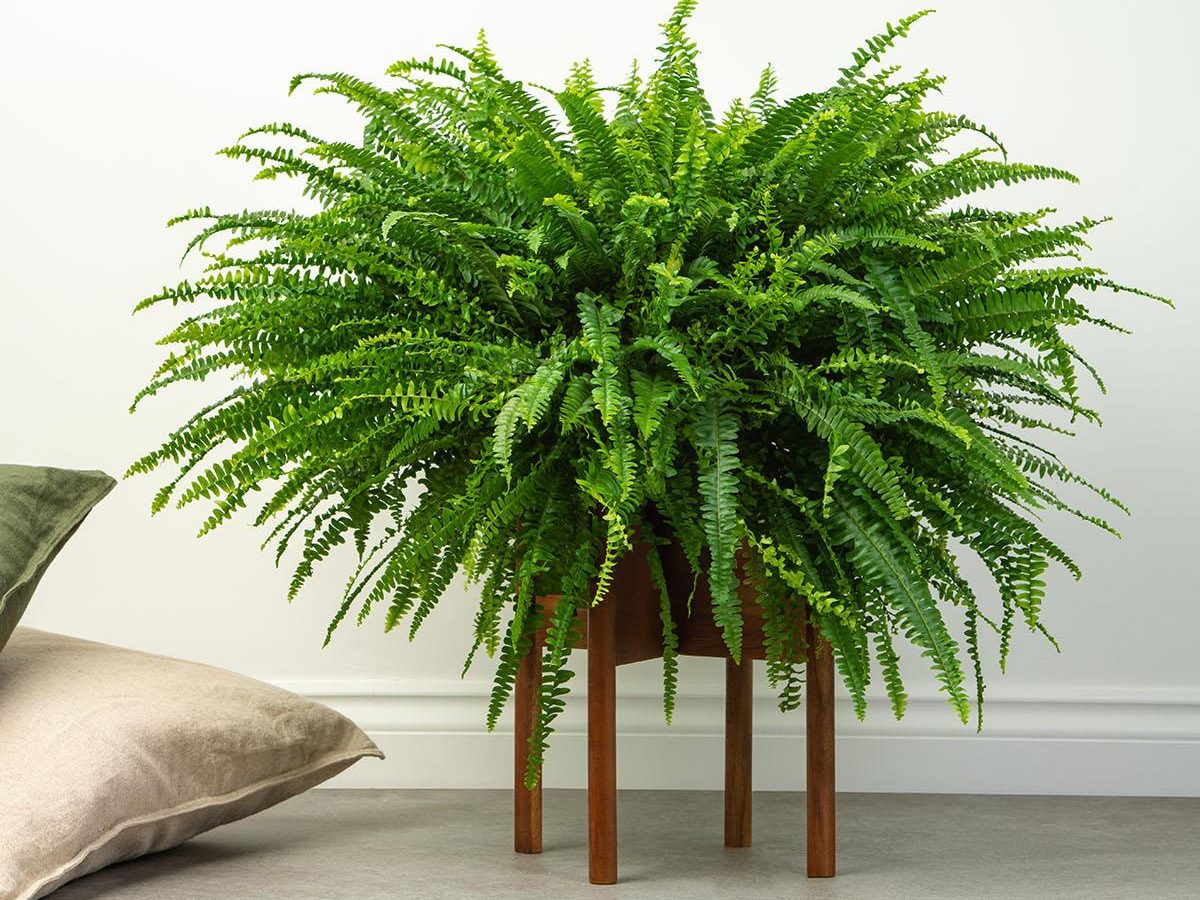
8. Boston Fern (Nephrolepis exaltata)
- Air-purifying: Absorbs formaldehyde, xylene, and other pollutants.
- Humidity booster: Helps add moisture to the air, which is beneficial for those with dry skin or respiratory issues.
- Bright indirect light: Requires bright, indirect light and regular watering, so it might need a bit more attention.
Boston ferns add a lush, vibrant look to your bedroom, but they’re best for those who can dedicate a bit more care to their plants.
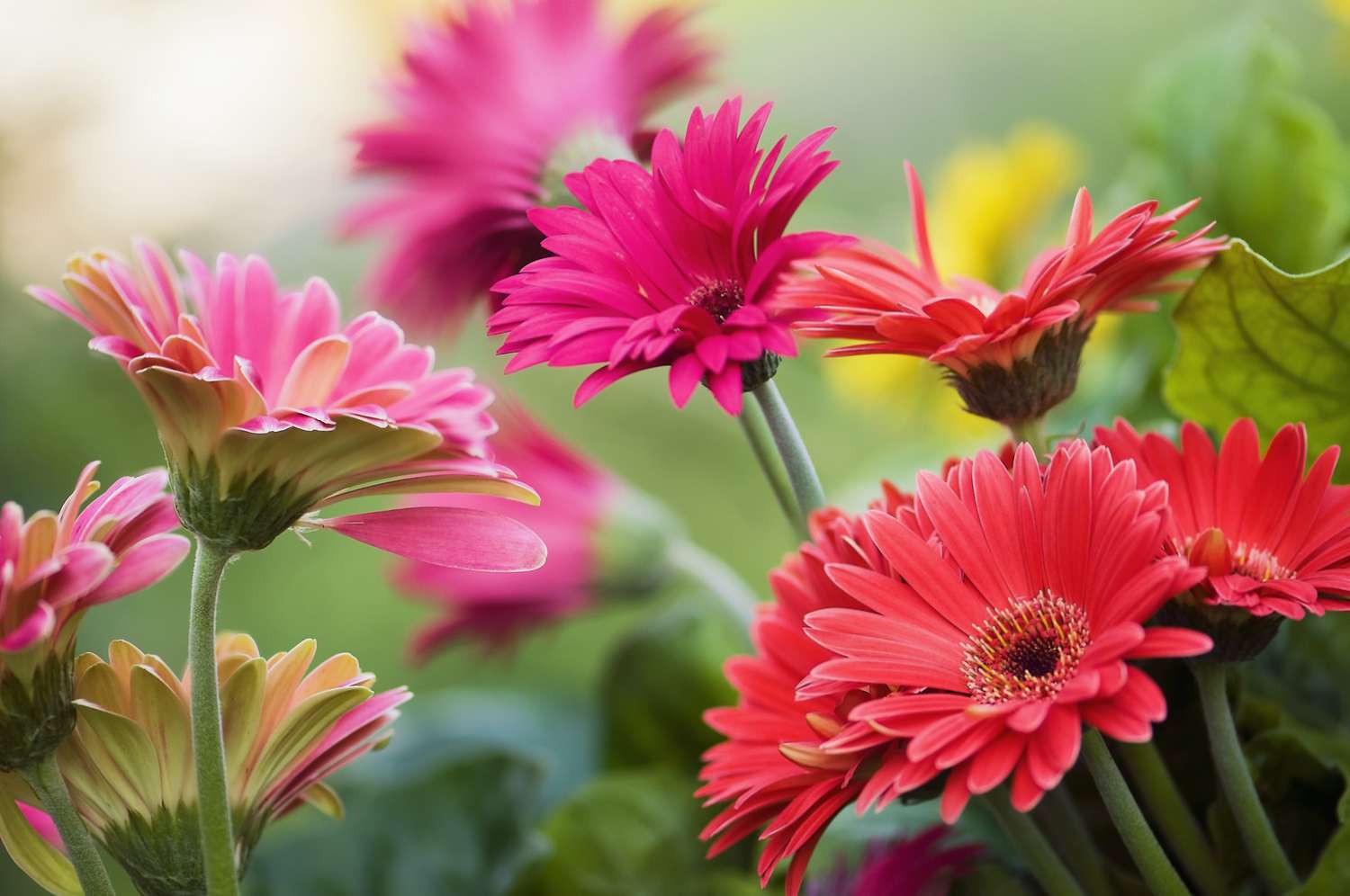
9. Gerbera Daisy (Gerbera jamesonii)
- Air-purifying: Absorbs carbon dioxide and releases oxygen even at night.
- Bright colour: Its vivid blooms add a splash of colour to any bedroom while improving air quality.
- Sun-loving: Requires plenty of sunlight, so it’s perfect for a bright, sunny bedroom.
If you’re looking for a plant that’s as cheerful as it is functional, the Gerbera daisy is a great choice.
10. Rubber Plant (Ficus elastica)
- Air-purifying: Known for removing formaldehyde from the air.
- Aesthetic appeal: Its deep green, glossy leaves make it a statement piece in any room.
- Moderate care: Needs moderate light and watering every 1-2 weeks.
The rubber plant is an excellent option for those looking to add some visual drama to their bedroom while enjoying cleaner air.
Final Thoughts
The shift in thinking about plants in the bedroom is backed by both science and design trends. Where they were once feared for disrupting sleep, plants are now celebrated for their air-purifying abilities, stress-relief properties, and role in creating a biophilic, calming environment. From the low-maintenance snake plant to the soothing scent of lavender, there’s a bedroom plant for everyone—whether you’re a seasoned plant enthusiast or just getting started.
By incorporating any of these plants into your bedroom, you not only beautify your space but also improve air quality, reduce stress, and create a restful atmosphere that can enhance your overall well-being. Happy planting! 🌿



Leave a Reply