

January often begins in near silence. Decorations have been packed away, routines are softer, and daylight arrives slowly, almost tentatively. The home, after holding so much activity and expectation through December, can feel slightly out of rhythm with this quieter pace. This is not a moment for reinvention or bold resolutions. It is a time for restoration, allowing your space to settle back into something supportive, steady, and calm.
A January reset is gentle by nature. It asks less of you and gives more in return. Rather than adding or changing, it invites you to notice what can be released so the home can breathe again.
Letting the Home Exhale
After the festive season, many homes carry visual residue. Surfaces feel busy, shelves are full, and rooms hold more than they need for this time of year. Letting the home exhale does not mean creating emptiness or austerity. It means removing what has quietly outlived its usefulness.
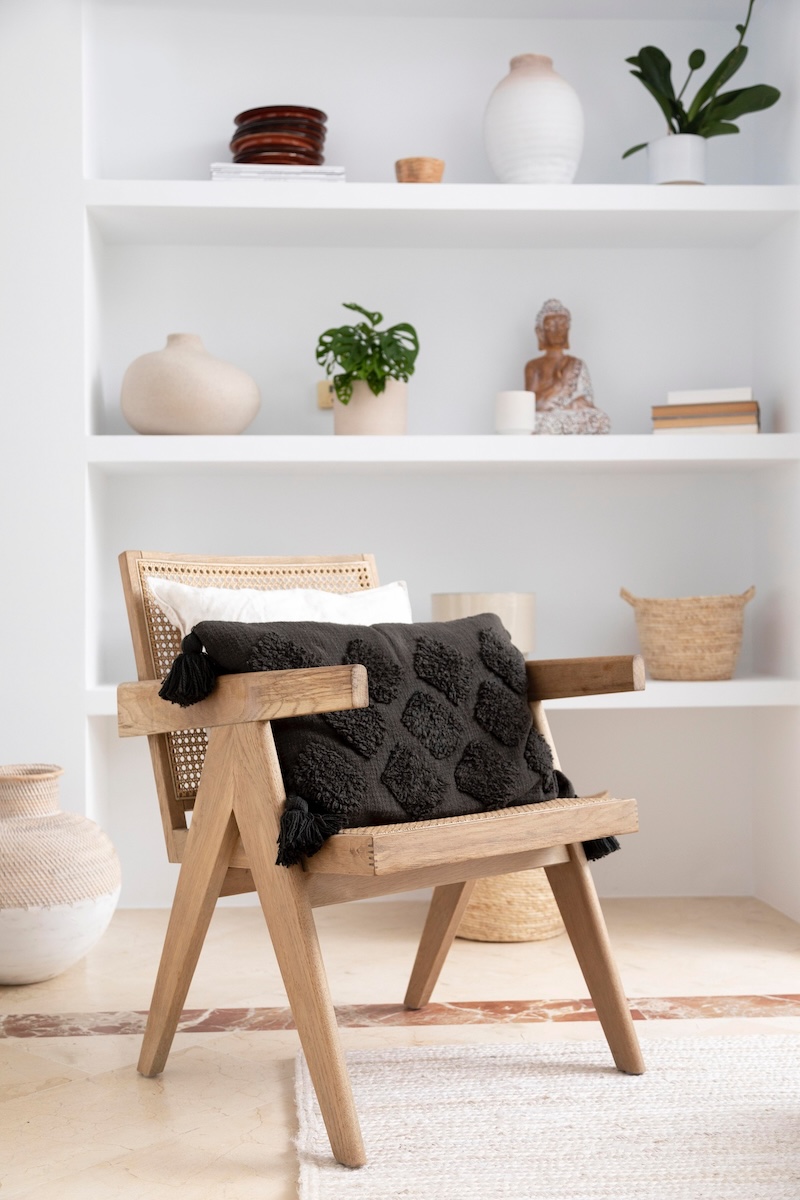
As you move through your rooms, notice where your eye feels unsettled. Often it is small groupings rather than large pieces that create a sense of noise. Clearing a side table, simplifying a shelf, or removing a decorative item that no longer feels relevant can instantly soften a space.
When visual demand is reduced, the nervous system responds. The home begins to feel less like a backdrop for activity and more like a place of refuge.
Working With Winter Light
January light is pale, low, and fleeting. Designing with it, rather than against it, brings a sense of ease. Sheer curtains and softly textured blinds allow daylight to filter in gently, while avoiding stark contrast.
As evenings arrive early, artificial lighting takes on greater importance. The aim is warmth rather than brightness. Lamps placed at different heights create a sense of depth and comfort, while shades in linen or paper diffuse light so it feels calm rather than sharp.
Thoughtful lighting transforms winter evenings into something cocooning, offering reassurance instead of heaviness.
Materials That Support Stillness
Winter calls for materials that feel grounding and tactile. Natural fibres and matte finishes absorb light and sound softly, creating an atmosphere of quiet support. Linen, wool, untreated wood, and ceramics with visible texture bring warmth without visual clutter.
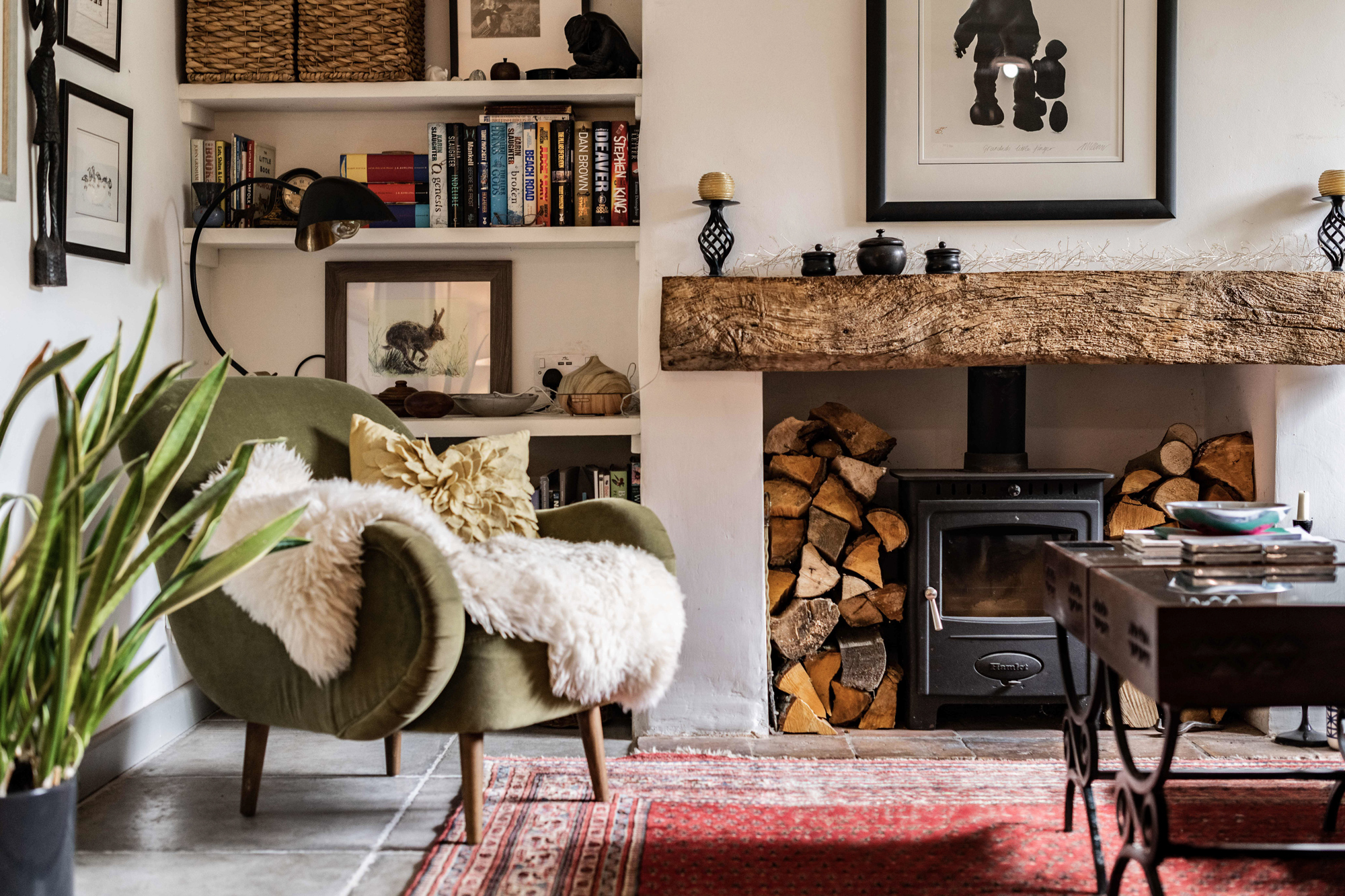
This does not require new purchases. Often it is a matter of rebalancing what you already have. A wool throw moved into the living space, cushions with gentler tones, or a ceramic piece brought forward from storage can subtly change the emotional temperature of a room.
These shifts are small, but their effect is cumulative. The home begins to feel steadier and more held.
Creating Space for Reflection
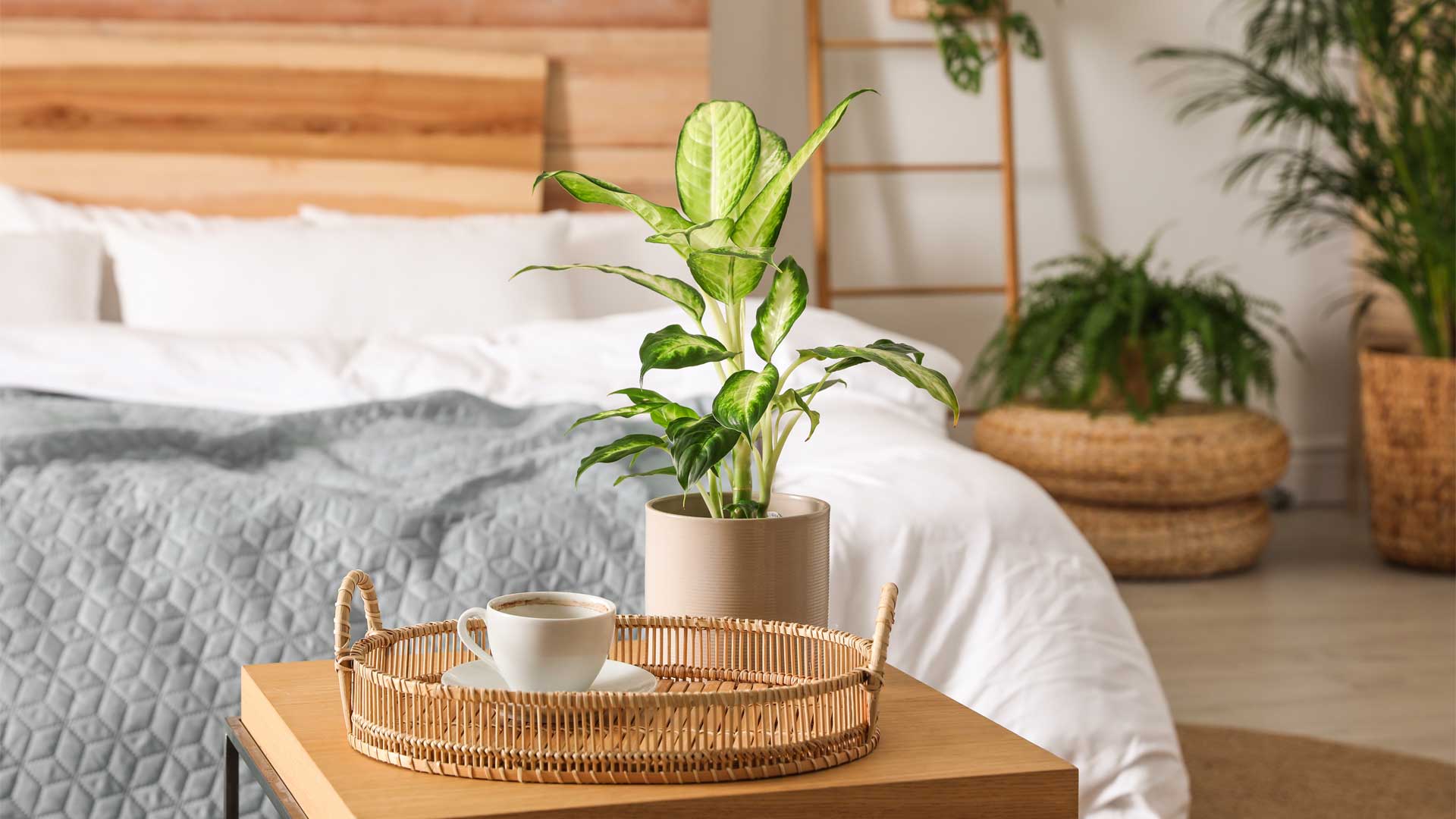
January carries an instinctive pull towards reflection. The home can honour this by offering moments of pause. A chair by a window, a bedside table cleared of excess, or a simple arrangement of meaningful objects can become quiet anchors in the day.
These spaces do not need to be productive or purposeful. Their value lies in their stillness. When a home offers places where nothing is required, it supports rest not just physically, but emotionally.
A Softer Way Forward
January is often framed as a time for improvement and momentum. Interiors do not need to follow that narrative. A calm home in this season is about creating the conditions for clarity, not forcing it.
When your space feels settled, you are more likely to feel the same. From that place, decisions emerge naturally, with less urgency and more intention.
January does not need to be busy to be meaningful. Sometimes, the most powerful reset is simply allowing your home, and yourself, to rest fully into the quieter rhythm of winter.

Leave a Reply